Rico's Tacos made it onto the Today show recently. Not a trade publication, not an ad industry newsletter, a national morning program covering a scripted drama that Albertsons Media Collective built with P&G, using shopper data to shape the story before a single scene was filmed. That's a genuinely nice moment for the industry: something built out of a retail signal crossed all the way over into mainstream culture.
The same instinct showed up at Cannes, on a smaller stage, and it was just as good a showing. The panel was "Signals, Scale, and Sales," part of The Trade Desk's Commerce Media Hour, and it brought together four platforms we admire and talk with often: Albertsons, Instacart, Expedia, and Lyft.
Albertsons' Brian Monahan walked through Rico's Tacos itself: shopper insight shaping the creative from the outset instead of getting layered on after, now running across more than 2,200 stores.
Instacart's Adam Silverblatt described an AI shopping assistant that turns "I want to make tacos on Tuesday" into a full basket, no ingredient-by-ingredient search required.
Expedia's Jennifer Andre talked about travel intent that starts before booking and lingers well past the trip, strong enough to build a segment like luxury traveler with real confidence.
Lyft's Shane Dwyer described a sponsored offer served inside the app based on where a rider is actually headed, not who they're assumed to be.
Four different companies, four different signals, and the same underlying instinct, one we share: stop treating the person as an audience segment and start meeting them inside something they're actually doing.
The consumer doesn't experience their day in categories
That's the part worth sitting with, and it's also the part we find genuinely exciting about this moment in the industry. The same shopper who watches Rico's Tacos on an Albertsons screen might ask an AI assistant to plan Tuesday's dinner, book a flight next month, and take a Lyft to get there.
Four platforms, four signals, one actual day. None of them cover the whole thing, and none of them need to, because each was built to be excellent inside one category, and each is doing that job well.
That's not a gap to compete over. It's an invitation to work together. The more interesting question coming out of that panel isn't whose signal is strongest, it's whether shopper data, travel data, and location data can move together well enough to follow one person's real day instead of stopping at the edge of whichever category built them. It's a question we're actively in conversation with several of these teams about, because we think the answer benefits everyone at the table, including the people we're all trying to serve.
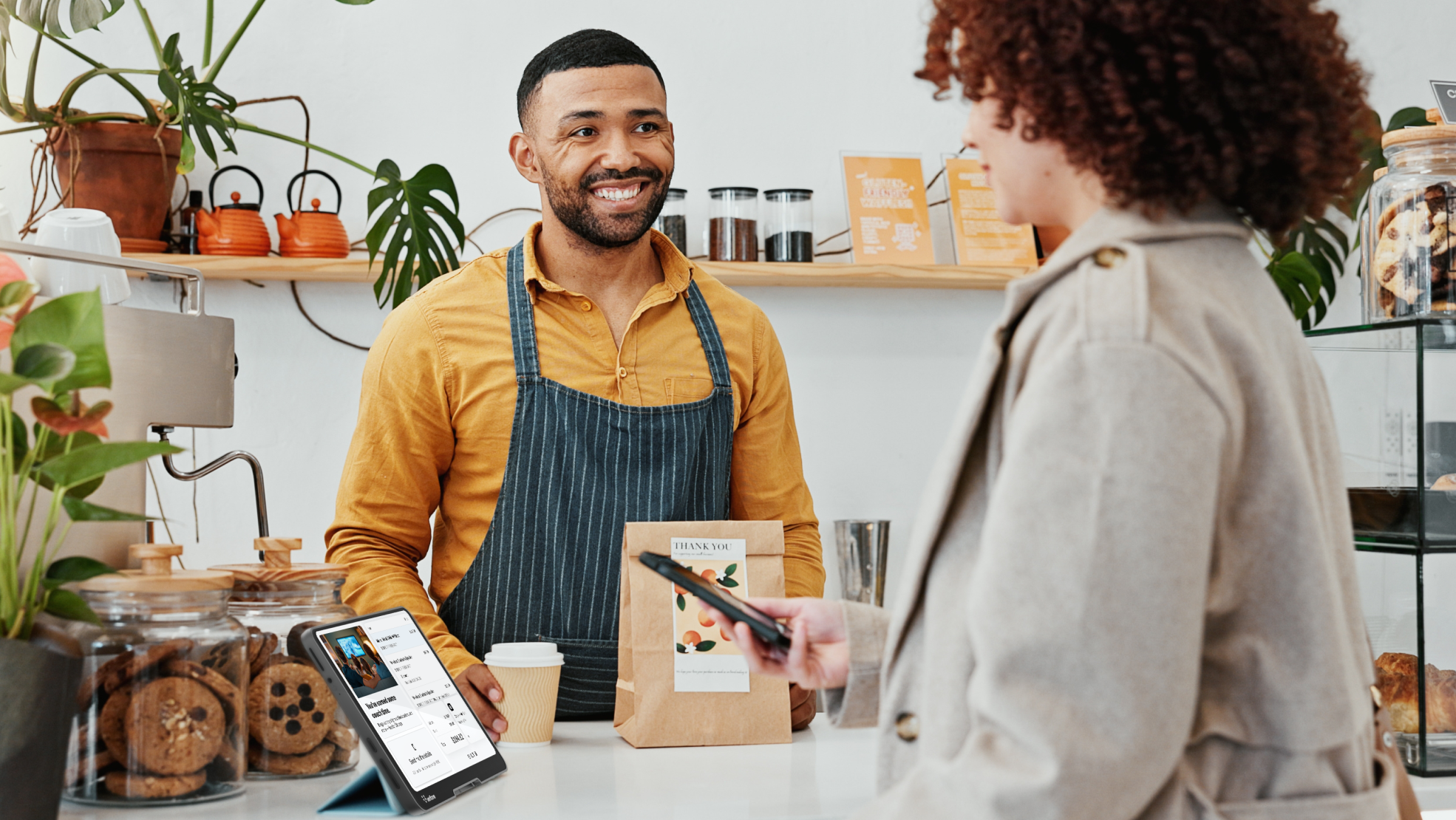
Fluent's move into in-store is part of that same conversation. It isn't a bid to own another category's signal. It's a bid to be a place those signals can actually meet a shopper, at the transaction itself, regardless of which platform the intent walked in with. Our work with Bilt and Beyond runs through that connective layer, Intent, Transaction, Loyalty, Influence, and the goal was never to out-signal Instacart or Albertsons or anyone else on that stage. It was to give whatever signal a person already carries somewhere real to land, together with the partners who built it.
Closed-loop measurement, which came up from every platform at Cannes, still matters here too, proving impact is the baseline now, table stakes for everyone. But proving impact across a single category is easier than proving it across a full day. That's the harder, more worthwhile version of the work, and it's the one we're glad to be figuring out alongside companies like these rather than around them.
The bottom line
- Rico's Tacos went mainstream. Albertsons and P&G built a scripted drama from shopper data and it landed on the Today show, a genuinely fun proof point that signal-driven content can break out of the industry press.
- Four platforms, four signals, one shared instinct. Albertsons, Instacart, Expedia, and Lyft each described using their signal to meet a person inside a real moment, not just target them, and it's an instinct we recognize in our own work.
- No single signal covers a whole day. The same person moves through grocery, travel, and rides in a matter of hours. Serving that whole journey works better as a shared effort than a solo one.
- Fluent's in-store move is about meeting signals, not replacing them. Our work with Bilt and Beyond runs on the same Intent, Transaction, Loyalty, Influence framework, built to give any signal a place to land at the transaction moment.
- Closed-loop measurement is table stakes. The harder, more valuable next step is proving impact across a full journey, and that's a conversation we're glad to be having with the platforms already doing this well.
Want to talk through what a connected consumer journey could look like for your team? Reach out to our team.