Most brands don't realize they've already lost the Q4 window — until it's closed. Here’s how it impacts advertisers and partners.
Code freeze (noun): A period — starting October 1st — when retailers and ecommerce sites lock their technology infrastructure ahead of peak season. During a code freeze, no new vendor integrations, tracking pixels, or customer journey changes. The goal is platform stability during the highest-traffic months of the year.
For advertisers, it functions as a hard deadline: If you haven't tested and scaled your post-transaction media buying strategy before freeze, you're locked out of Q4's highest-intent moments until the new year.
For partners, it functions as a hard deadline too: if your confirmation page isn't monetized and optimized before freeze, you're sending peak-season traffic through your most valuable real estate and capturing nothing from it.
As brands wrap up summer, they finally start thinking about Q4. Post-transaction gets put on the list of things to implement or explore. "We'll get to it in September." September becomes October. October comes with a code freeze notice. The window is gone.
The problem isn't urgency — it's calendar blindness.
Why the calendar works against you: The hard truth about timing
Most teams think late Q3 gives them enough runway. It doesn't.
Advertisers: Ready to activate post-transaction placements? The clock is running. Accessing Fluent's inventory requires a $100K onboarding commitment and a 90-day ramp to identify the right pockets for customer acquisition.
Partners: Your confirmation page is one of the highest-intent moments in your customer journey — and for most brands, it's generating nothing beyond an order summary. To ensure proper setup, new integrations take a solid 5 weeks.
Both windows need to be closed before code freeze. Q2 is the last realistic entry point. This isn't a scare tactic—it's just how technical timelines actually work.
What you're leaving on the table
The moment right after a completed transaction is the most valuable real estate in commerce. The customer just said yes. Their trust is highest. Their attention is undivided.
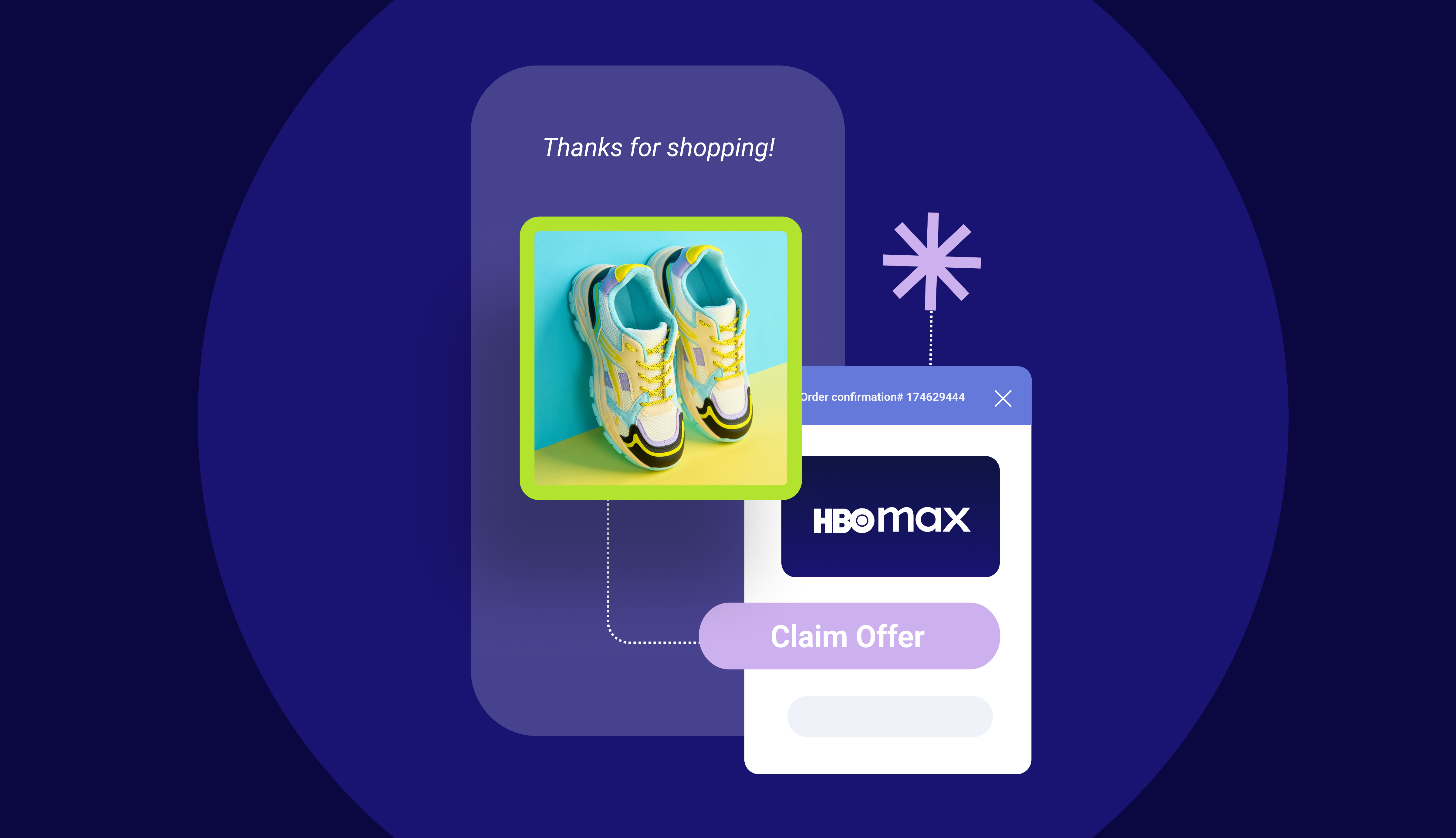
Advertisers: Many are overpaying for customer acquisition by ignoring the highest-intent moment in digital media. A completed purchase is peak receptivity. Post-transaction placements put your brand in front of a proven buyer — on someone else's confirmation page, at the moment they're most likely to convert.
Partners: Turn on your confirmation page and start capturing net new, incremental revenue from the customers you already have. The ones that don't simply miss out on that revenue through the most valuable months of the year.
What to do right now
If Q4 performance is a priority, the question isn't whether to act — it's whether you can get it live on time. Here are three things worth thinking about this week:
1. Audit your Q4 strategy.
-
For advertisers: Do you plan to test, try, or find new acquisition sources?
-
For partners: Do you have a post-transaction experience that lets you monetize your confirmation page?
2. Map your current shortcomings to hitting your EOY goals.
-
Advertisers, can you position your offer to drive customer LTV?
-
And partners, are you ready to turn on incremental net-new revenue from your confirmation page?
3. Have the conversation now.
The teams that win Q4 make Q2 decisions. The ones that don't are already planning to try again next year.
Fluent powers post-transaction advertising and monetization for some of the largest brands in the country. If you want to be live before code freeze, [let's talk].
Learn more about Code Freeze.