Checkout. Every campaign and marketing dollar has been designed to get the customer there. It’s the pinnacle of brand success, the final hurdle, the ultimate goal.
Or is it?
At this year’s Cannes Lions International Festival of Creativity, a new perspective emerged. Increasingly, brands and retailers are beginning to recognize that checkout is not the end of the journey, but one of the most valuable high-attention moments within it. And one that remains largely underutilized.
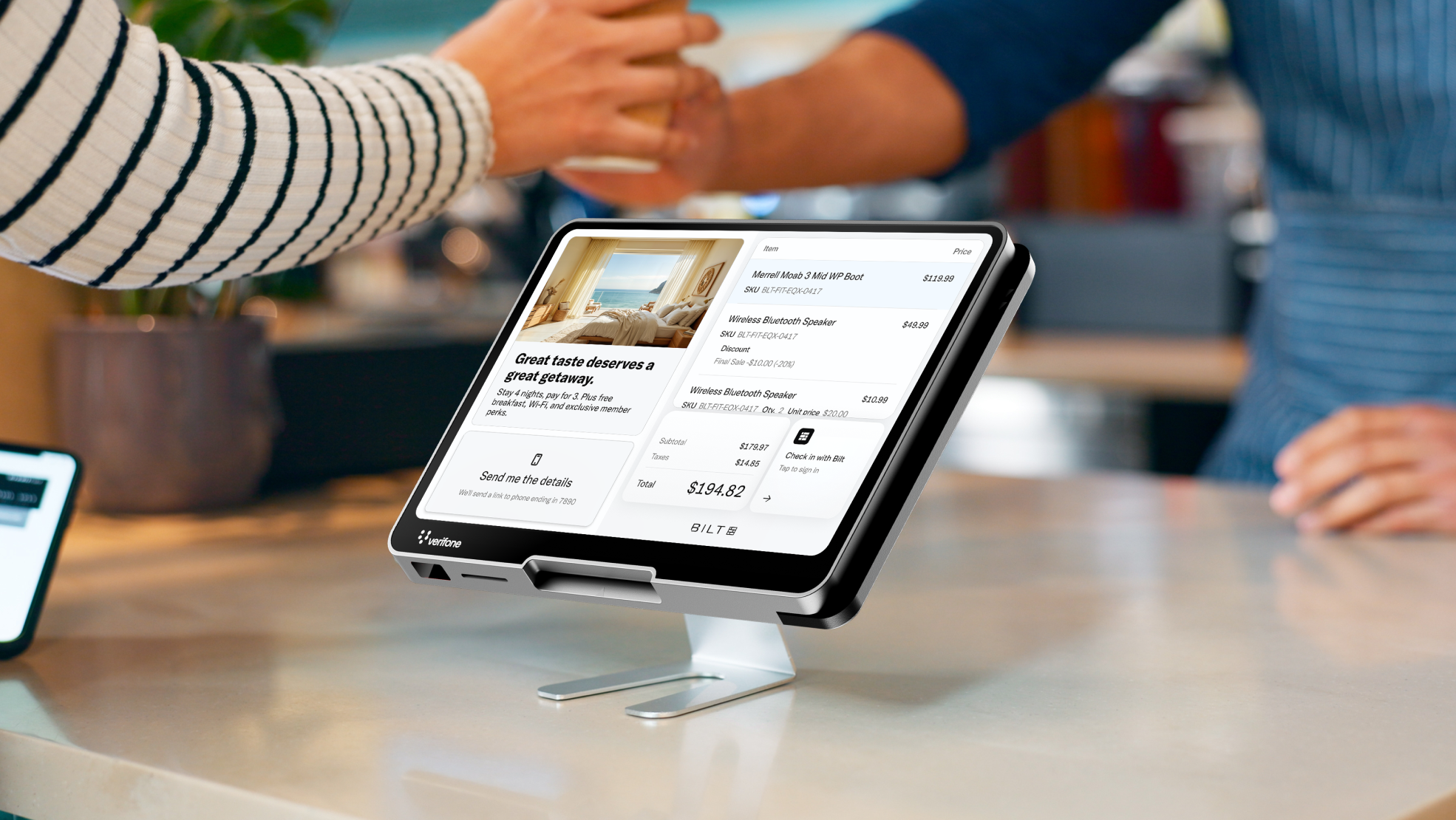
That’s why we introduced Fluent In-Store — a commerce media solution that presents shoppers with relevant offers as they complete their purchase in-store. This enhances the shopping experience, empowering retailers and brands to fully capitalize on the post-purchase moment.
Learn why this moment matters, and how Fluent In-Store makes the most of it.
TL;DR
- Checkout isn’t the end of the customer journey; it’s a high-value moment for retailers, brands, and commerce partners
- Extending engagement beyond purchase helps drive repeat behaviors and long-term customer value
- Fluent In-Store enables brands and retailers to share relevant offers at checkout and accurately track engagement
Why Post-Purchase Is Retail’s Next Frontier
From order confirmations to feedback requests, retailers and brands already own the post-purchase experience — but few see it as anything more than a transactional step.
This is especially true for in-store checkout, which still accounts for about 80% of transactions. The register is one of retail’s most important, but most underleveraged, moments of engagement.
Fluent In-Store flips the script: it lets retailers, brands, and commerce partners present relevant offers as customers complete their purchase without interrupting the experience. Shoppers can then choose to engage via SMS or email, while Fluent tracks these actions, bridging the gap between physical interactions and measurable results.
But what’s the point of advertising after the point of purchase? Isn’t it too late to influence behavior?
It’s a fair question.
Traditionally, checkout has been all about speed, simplicity, and minimizing friction. But while the transaction process is done at the point of checkout, checkout shouldn’t be viewed as merely transactional. No, the post-purchase moment offers great opportunities for brands, retailers, and commerce partners alike.
1. Extending Engagement Without Disrupting the Sale
Attention is the ultimate currency. Unfortunately, in a world where shoppers are continuously checking their devices or multitasking, it’s becoming increasingly hard to earn. Unlike other performance channels, where brands and retailers have to grab attention, the post-purchase experience enables them to serve relevant, contextual content to the action the shopper is already taking. These include:
- Suggestions for complementary products, such as a phone case or headphones alongside a smartphone purchase
- Replenishment or repeat-cycle products, such as pet food or printer ink
Because the primary transaction is already complete, it’s a low-risk opportunity to extend the relationship without interrupting intent.
2. Meeting the Desire for Personalization
At checkout, the shopper is no longer anonymous or a predicted audience segment. In most cases, they’re a known buyer with shopping habit data and a basket that tells a story about their needs, preferences, and immediate context.
This information enables retailers and brands to move beyond generic segmentation and provide ads that will truly resonate. Given that 88% of customers say they’re likely to return after receiving a post-purchase experience with personalized suggestions, this opportunity is especially valuable.
3. Improving Measurement Accuracy
Attribution has long been a challenge for commerce and retail media. Traditional models often struggle with delayed conversion cycles and gaps because of the time it takes from ad to conversion.
Post-purchase environments change that.
With solutions like Fluent In-Store, brands, retailers, and commerce partners can see whether a shopper was exposed to an ad, whether they engaged with it, and if that led to a completed action such as signing up for a loyalty program or redeeming an offer.
This creates a clearer more immediate feedback loop that can be used to inform future advertising and promotional decisions.
4. Reducing Customer Acquisition Costs
Customer acquisition is an expensive business. According to data from FirstPage Sage, customer acquisition costs can range from $53 on the lower end to as high as $91 .
Post-purchase environments meanwhile offer high-intent attention without the same cost burden.
Rather than competing for cold or low-intent audiences, brands and retailers can engage customers at a moment when they’ve just completed a purchase, and trust and intent are at their highest.
5. Boosting Customer Lifetime Value (CLV)
Engaging customers after their initial purchase can help influence next steps and encourage continued engagement with a brand. This could look like claiming an offer, downloading an app, or starting a trial.
Over time these interactions compound and nurture ongoing relationships which turn one-time buyers into long-term advocates.
The Real Opportunity Comes After Checkout
If one thing’s clear, it’s that the checkout line isn’t the end of the line for the customer journey.
Checkout is one of the few moments where attention, intent, and context naturally align. The brands, retailers, and commerce partners that see checkout as a new media channel will lead the way in building deeper relationships, driving measurable results, and turning a fleeting moment into lasting growth.
Eager to see what’s in store?
Learn how Fluent In-Store helps brands and retailers transform checkout into a high-value media channel.